Q1 2026 Apparel Trends: 7 Must-Have Styles for US Online Retailers
Advertisements
Latest developments on Q1 2026 Apparel Trends: 7 Must-Have Apparel Styles for Online Retailers in the US, with key facts, verified sources and what readers need to monitor next, presented clearly and objectively.
Unlocking Q1 2026 Trends: 7 Must-Have Apparel Styles for Online Retailers in the US is shaping today’s agenda with new details released by industry analysts and consumer behavior reports. This update prioritizes what changed, why it matters, and what to watch next, offering a strategic guide for digital fashion businesses. The landscape of online retail is constantly evolving, demanding proactive adaptation to consumer preferences and emerging styles for sustained growth.
For online retailers operating in the United States, understanding the specific apparel styles that will dominate the market in the first quarter of 2026 is paramount. This analysis provides a forward-looking perspective, drawing on market research, social media analytics, and expert forecasts to identify the critical trends. The goal is to equip retailers with actionable insights to optimize their inventory, marketing, and overall business strategy.
Advertisements
The imperative to stay ahead of the curve cannot be overstated in the fast-paced world of digital fashion. Retailers who successfully anticipate and integrate these must-have styles into their offerings will be better positioned to capture market share and foster customer loyalty. This report delves into each of the seven key styles, providing context, characteristics, and strategic considerations for implementation.
The Rise of Elevated Comfort Wear: Beyond Loungewear
The shift towards comfort, accelerated by recent global events, is not merely a fleeting trend but a foundational change in consumer apparel preferences. For Q1 2026, this translates into elevated comfort wear, transcending basic loungewear to encompass stylish yet relaxed pieces suitable for various settings.
This category includes sophisticated knitwear, structured yet soft fabrics, and versatile silhouettes that blend seamlessly from home office to casual outings. Online retailers must focus on premium materials and thoughtful design that prioritize both aesthetic appeal and tactile comfort, aligning with the evolving lifestyles of their customer base.
The demand for clothing that supports a flexible lifestyle, where lines between work, leisure, and social activities blur, continues to grow. These styles offer a refined solution, providing ease without sacrificing a polished appearance, making them essential for any retailer looking to capitalize on current consumer desires and future Q1 2026 Apparel Trends.
Advertisements
Key Characteristics of Elevated Comfort Wear
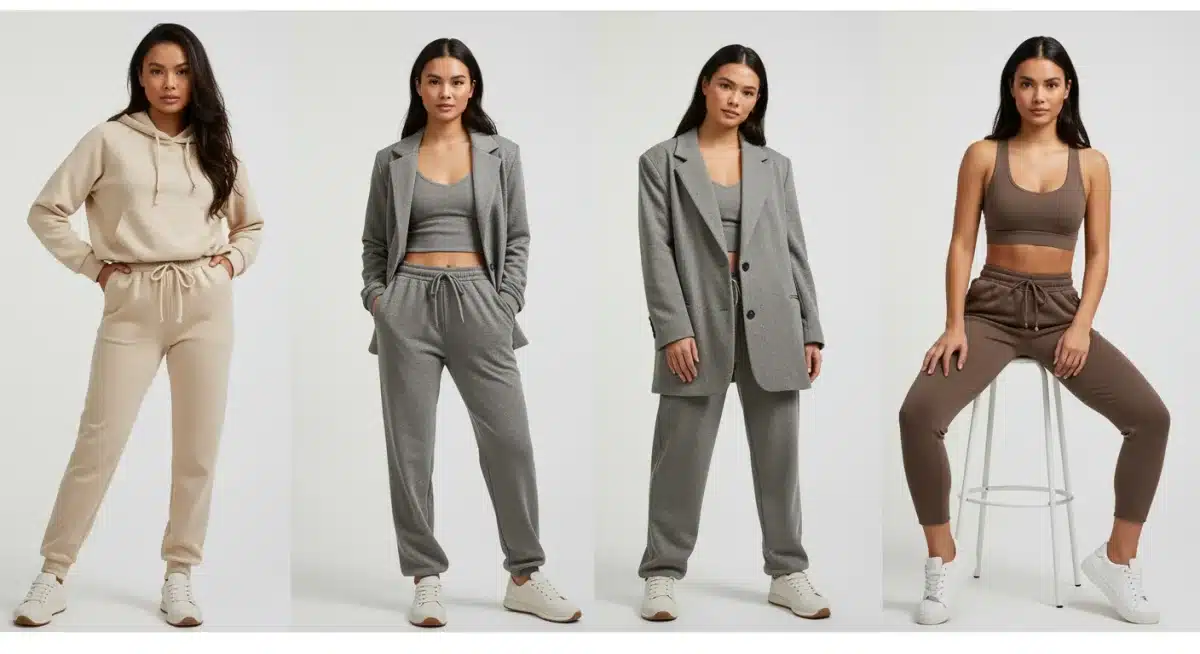
Elevated comfort wear distinguishes itself through a fusion of luxurious textures, refined cuts, and a color palette that exudes understated elegance. Think cashmere blends, organic cottons, and Tencel fabrics that drape beautifully and feel soft against the skin.
Silhouettes are often relaxed but tailored, such as wide-leg trousers, oversized blazers, and coordinated sets that offer a cohesive look. The emphasis is on versatility, allowing pieces to be mixed and matched for different occasions, reflecting a conscious approach to wardrobe building.
- Premium natural and sustainable fabrics
- Relaxed yet tailored silhouettes
- Versatile and modular wardrobe pieces
- Neutral and muted color palettes
Strategic Sourcing for Comfort-First Collections
Sourcing for elevated comfort wear requires a focus on quality and ethical production. Retailers should seek out suppliers who can provide certifications for sustainable materials and fair labor practices, appealing to the increasingly conscious consumer.
Investing in durable, high-quality garments ensures customer satisfaction and reduces returns, fostering a more sustainable business model. Collaborating with designers who specialize in ergonomic and adaptable designs can further differentiate offerings in this competitive segment, enhancing the appeal of Q1 2026 Apparel Trends.
Sustainable and Ethical Fashion: A Non-Negotiable Standard
Sustainability is no longer a niche market but a core expectation for a significant portion of consumers, particularly among younger demographics. For Q1 2026, online retailers must integrate sustainable and ethical practices as a fundamental aspect of their apparel offerings, not just a marketing gimmick.
This involves transparent supply chains, the use of recycled, organic, or upcycled materials, and fair labor practices throughout the production process. Consumers are increasingly scrutinizing brand values and are willing to pay a premium for products that align with their environmental and social conscience.
Retailers who genuinely commit to sustainability will build stronger trust and loyalty with their customer base. This commitment must be communicated clearly and authentically across all digital touchpoints, from product descriptions to brand storytelling, becoming a cornerstone of Q1 2026 Apparel Trends.
Embracing Circularity in Apparel
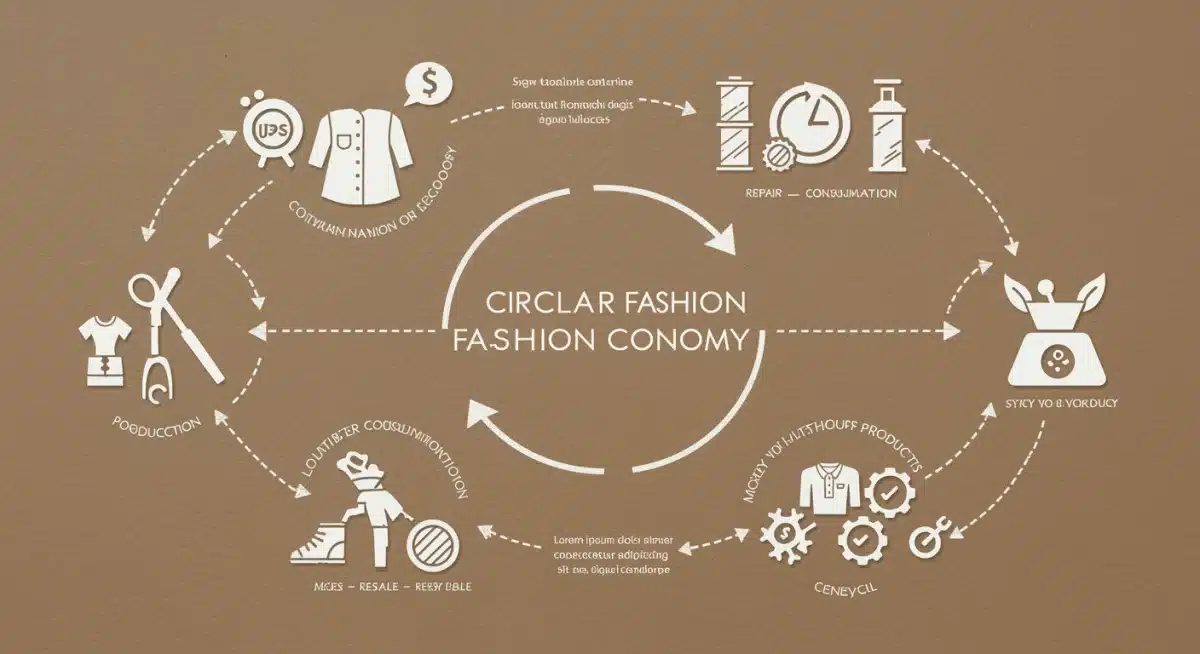
The concept of circular fashion, which aims to minimize waste and maximize resource utilization, is gaining traction. This includes offering repair services, promoting resale platforms, and designing garments for longevity and recyclability.
Online retailers can explore partnerships with textile recycling initiatives or introduce take-back programs for old garments. Educating consumers on how to care for their clothes to extend their lifespan also contributes to a more circular economy, enhancing brand image and customer engagement.
- Transparent sourcing and manufacturing
- Use of recycled, organic, and upcycled materials
- Fair labor practices and ethical supply chains
- Initiatives for repair, resale, and recycling
Communicating Your Green Credentials
Effective communication of sustainable efforts is crucial. Retailers should provide detailed information about the materials used, the manufacturing process, and any certifications obtained, building credibility with discerning consumers.
Storytelling around sustainable practices can resonate deeply with customers, highlighting the positive impact of their purchases. This transparency not only attracts environmentally conscious buyers but also reinforces brand integrity, which is vital for long-term success in the evolving market for Q1 2026 Apparel Trends.
Gender-Neutral and Adaptive Designs: Inclusivity as Innovation
The demand for gender-neutral and adaptive apparel continues to grow, driven by a broader societal push for inclusivity and self-expression. Q1 2026 will see a significant expansion in these categories, moving beyond basic t-shirts to a wider range of sophisticated styles.
Gender-neutral designs focus on universal fits and silhouettes that flatter all body types, irrespective of traditional gender norms. Adaptive clothing incorporates features like magnetic closures, adjustable hems, and sensory-friendly fabrics to cater to individuals with disabilities, offering both style and functionality.
Online retailers have a unique opportunity to lead in this space by designing and curating collections that champion diversity and accessibility. This commitment not only broadens their customer base but also enhances their brand reputation as forward-thinking and socially responsible, a key element of future Q1 2026 Apparel Trends.
Designing for Universal Appeal
Creating truly gender-neutral apparel involves reimagining traditional sizing and fit conventions. Focus should be on relaxed fits, versatile cuts, and a color palette that appeals broadly, moving away from gender-coded aesthetics.
Designs that allow for personal styling and layering are particularly effective. This approach encourages individual expression while ensuring garments are accessible and appealing to a diverse customer base, expanding market reach for Q1 2026 Apparel Trends.
The Practicality of Adaptive Wear
Adaptive clothing addresses specific needs without compromising on style. Features like easy-access openings, seamless interiors, and adjustable elements are critical for comfort and independence.
Collaborating with disability advocates and communities during the design process ensures that adaptive collections are truly functional and meet the diverse requirements of users. This thoughtful approach fosters loyalty and positions retailers as leaders in inclusive fashion, a crucial aspect of Q1 2026 Apparel Trends.
The Resurgence of Vintage-Inspired Aesthetics: A Nod to Nostalgia
Nostalgia continues to play a powerful role in fashion, with vintage-inspired aesthetics making a strong comeback for Q1 2026. This trend isn’t about exact replicas but rather a modern interpretation of classic styles, blending retro charm with contemporary sensibilities.
Look for silhouettes, patterns, and color schemes reminiscent of the 70s, 80s, and 90s, reimagined for today’s consumer. This includes wide-leg jeans, oversized graphic tees, chunky knitwear, and earthy tones, offering a sense of comfort and familiarity.
Online retailers can tap into this trend by curating collections that evoke a sense of nostalgia while offering fresh, updated designs. Storytelling around the inspiration behind these pieces can further engage customers, creating an emotional connection to the apparel and distinguishing your brand within the competitive landscape of Q1 2026 Apparel Trends.
Modernizing Retro Silhouettes
The key to success with vintage-inspired apparel lies in striking a balance between historical accuracy and modern wearability. Update classic cuts with contemporary fabrics and improved fits to appeal to a wider audience.
For example, a 70s-inspired flared pant can be reinterpreted in a sustainable denim or a comfortable stretch fabric. This fusion ensures that while the aesthetic is retro, the garment feels current and relevant for everyday wear.
Curating Authentic Vintage Vibes
Beyond new collections, online retailers can also explore partnerships with vintage resellers or offer curated selections of authentic pre-owned pieces. This adds a layer of uniqueness and sustainability to their offerings.
Highlighting the history and craftsmanship of vintage items can appeal to consumers seeking individuality and a break from fast fashion. This approach not only diversifies inventory but also aligns with conscious consumption trends, impacting Q1 2026 Apparel Trends significantly.
Modular and Transformable Garments: Versatility is Key
As consumers seek more value and functionality from their purchases, modular and transformable garments are set to be a significant trend in Q1 2026. These innovative designs offer multiple ways to wear a single item, maximizing versatility and extending wardrobe utility.
Examples include jackets with detachable sleeves, pants that convert into shorts, or dresses that can be styled in various configurations. This trend caters to a practical mindset, offering solutions for travel, changing weather, and diverse styling needs without requiring multiple purchases.
Online retailers can highlight the multi-functional aspects of these garments through detailed product descriptions, styling videos, and interactive features. Emphasizing the cost-effectiveness and sustainability benefits of owning fewer, more versatile items will resonate strongly with consumers, defining a new segment within Q1 2026 Apparel Trends.
Innovative Design for Adaptability
Designing modular apparel requires thoughtful consideration of closures, fabric choices, and construction techniques. Zippers, buttons, and drawstrings must be durable and seamlessly integrated to allow for easy transformation.
Fabrics should be wrinkle-resistant, lightweight, and adaptable to different climates and occasions. The focus is on creating pieces that are not only functional but also aesthetically pleasing in all their forms, enhancing the value proposition for the customer.
Marketing Multi-Functional Appeal
Effective marketing for transformable garments involves showcasing their versatility clearly. High-quality imagery and video demonstrations illustrating the different ways a garment can be worn are essential for conveying its value.
Highlighting the space-saving benefits for travelers or the adaptability for various social events can capture the attention of a wide audience. This approach emphasizes smart consumption and the practical elegance of these innovative designs, contributing to the broader appeal of Q1 2026 Apparel Trends.
Statement Outerwear: Function Meets Fashion
Outerwear in Q1 2026 will move beyond mere functionality to become a key statement piece, blending practical protection with bold fashion elements. This trend encompasses a range of styles, from sophisticated trench coats to oversized puffers and uniquely textured jackets.
Consumers are looking for outerwear that not only provides warmth and protection but also elevates their overall look. Expect vibrant colors, unusual textiles, and intricate detailing to feature prominently, making these pieces focal points of any outfit.
Online retailers should curate a diverse selection of statement outerwear, emphasizing unique designs and high-quality construction. Highlighting the versatility of these pieces—how they can transform a simple ensemble—will appeal to fashion-conscious buyers seeking to make an impact with their wardrobe choices, a significant part of Q1 2026 Apparel Trends.
Bold Designs and Unique Textures
Statement outerwear is characterized by its ability to stand out. This can be achieved through striking color blocks, intricate embroidery, or innovative fabric treatments that create unique textures and finishes.
Materials like patent leather, faux fur, or technical fabrics with iridescent qualities will be popular. The emphasis is on creating a visual impact, ensuring that the outerwear is not just an accessory but the centerpiece of the look.
Investing in Quality and Durability
Given the investment often associated with outerwear, quality and durability are paramount. Retailers should focus on well-constructed garments that offer excellent insulation, weather resistance, and lasting appeal.
Highlighting the longevity and timelessness of certain designs, even those with contemporary twists, can attract consumers looking for pieces that will serve them for multiple seasons. This focus on value aligns with conscious consumption and elevates the perception of crucial Q1 2026 Apparel Trends.
Athleisure Evolution: Performance and Style Intersect
Athleisure continues its evolution for Q1 2026, moving towards a more refined intersection of performance and style. This trend emphasizes high-tech fabrics, ergonomic designs, and sophisticated aesthetics that allow activewear to transition seamlessly into everyday fashion.
Expect to see compression leggings with stylish cutouts, moisture-wicking tops with elegant drapes, and versatile hoodies crafted from premium materials. The focus is on garments that support physical activity while also being fashion-forward enough for casual wear, errands, or even relaxed social gatherings.
Online retailers must prioritize quality and innovation in their athleisure offerings, catering to consumers who demand both functionality and style. Showcasing the technical benefits alongside the aesthetic appeal will be key to capturing this market segment, influencing Q1 2026 Apparel Trends significantly.
Advanced Materials and Ergonomic Design
The core of evolved athleisure lies in its materials. Look for fabrics that offer advanced features like four-way stretch, UV protection, anti-odor properties, and superior breathability. These technical attributes enhance wearer comfort and performance.
Ergonomic design, which considers the body’s natural movements, is also critical. Seams should be strategically placed to prevent chafing, and fits should allow for a full range of motion, ensuring maximum comfort during any activity.
Seamless Integration into Lifestyle
The appeal of athleisure is its ability to blend effortlessly into various aspects of daily life. Retailers should emphasize how these garments can be styled for workouts, casual outings, or even as part of a relaxed work-from-home ensemble.
Marketing efforts should highlight the versatility and adaptability of athleisure pieces, positioning them as essential components of a modern, active lifestyle. This approach resonates with consumers seeking practical yet stylish clothing options, shaping Q1 2026 Apparel Trends.
| Key Trend | Brief Description |
|---|---|
| Elevated Comfort Wear | Sophisticated, comfortable apparel for flexible lifestyles. |
| Sustainable Fashion | Ethical sourcing, recycled materials, circularity focus. |
| Gender-Neutral Designs | Inclusive fits and styles for all body types and identities. |
| Vintage-Inspired Aesthetics | Modern interpretations of classic retro styles. |
Frequently Asked Questions About Q1 2026 Apparel Trends
The most crucial trends include elevated comfort wear, sustainable and ethical fashion, gender-neutral and adaptive designs, vintage-inspired aesthetics, modular garments, statement outerwear, and evolved athleisure. These categories reflect significant shifts in consumer values and lifestyle needs, demanding strategic attention from retailers.
Retailers should prepare by conducting thorough market research, analyzing consumer data, and optimizing their inventory to align with these forecasted styles. Strategic partnerships with ethical suppliers and effective marketing that highlights brand values will also be crucial for success and market relevance.
Sustainability has become a core consumer expectation, driven by increasing environmental awareness and social consciousness. Brands that demonstrate genuine commitment to ethical practices and transparent supply chains build stronger trust and loyalty, appealing to a growing segment of environmentally responsible buyers.
Elevated comfort wear goes beyond basic loungewear, focusing on premium materials, sophisticated designs, and versatile silhouettes suitable for various occasions. It emphasizes both aesthetic appeal and tactile comfort, reflecting a blend of professionalism and relaxation demanded by modern flexible lifestyles.
Modular and transformable garments offer exceptional versatility, allowing a single item to be worn in multiple ways. This trend caters to consumers seeking greater value, functionality, and sustainability from their purchases, reducing the need for extensive wardrobes and promoting conscious consumption habits.
Looking Ahead: Strategic Implications for Online Retailers
The detailed analysis of Q1 2026 Apparel Trends underscores a significant evolution in consumer expectations, moving beyond mere aesthetics to encompass ethical production, versatility, and personal expression. Online retailers in the US must recognize these shifts as fundamental to their long-term viability and growth.
The integration of elevated comfort, sustainable practices, and inclusive designs is not simply about following trends; it is about building a resilient and relevant brand identity. Proactive adoption of these styles, coupled with transparent communication, will differentiate retailers in a crowded digital marketplace.
Ultimately, success in Q1 2026 and beyond will hinge on a retailer’s ability to anticipate, adapt, and innovate in response to these profound changes in consumer values and fashion demands. The focus on these Q1 2026 Apparel Trends is a roadmap for strategic inventory management and impactful marketing campaigns, ensuring sustained engagement and profitability.
