Smart Fabrics & US Online Shopping 2026: The Latest Apparel Tech
Advertisements
The latest developments on The Latest in Apparel Technology: How Smart Fabrics Are Changing US Online Shopping in 2026 reveal a dynamic shift in consumer behavior and retail strategies. This report provides key facts, verified analyses, and what consumers and businesses need to monitor in the evolving US market, presented with clarity and authority.
The Latest in Apparel Technology: How Smart Fabrics Are Changing US Online Shopping in 2026 is not merely a trend; it represents a fundamental redefinition of how clothing is conceived, manufactured, and sold. This transformative wave is already influencing purchasing decisions and setting new benchmarks for digital retail experiences. Understanding these shifts is crucial for anyone navigating the modern fashion landscape.
The integration of smart fabrics into everyday apparel is creating unprecedented opportunities for personalization, functionality, and sustainability. As we move closer to 2026, the impact on US online shopping will become even more pronounced, demanding strategic adaptations from both retailers and consumers. This article delves into the core aspects of this revolution, offering a clear perspective on what to expect.
Advertisements
The Dawn of Interactive Apparel in Online Retail
The concept of clothing that does more than just cover the body is rapidly moving from niche to mainstream, especially within the US online shopping sphere. Interactive apparel, powered by smart fabrics, is introducing functionalities that were once confined to science fiction, elevating the consumer experience significantly.
These advanced textiles are embedded with sensors, conductive threads, and micro-electronics, enabling them to respond to environmental stimuli or wearer input. This technological leap is fundamentally altering how consumers perceive value in their clothing purchases, shifting focus beyond aesthetics to performance and data.
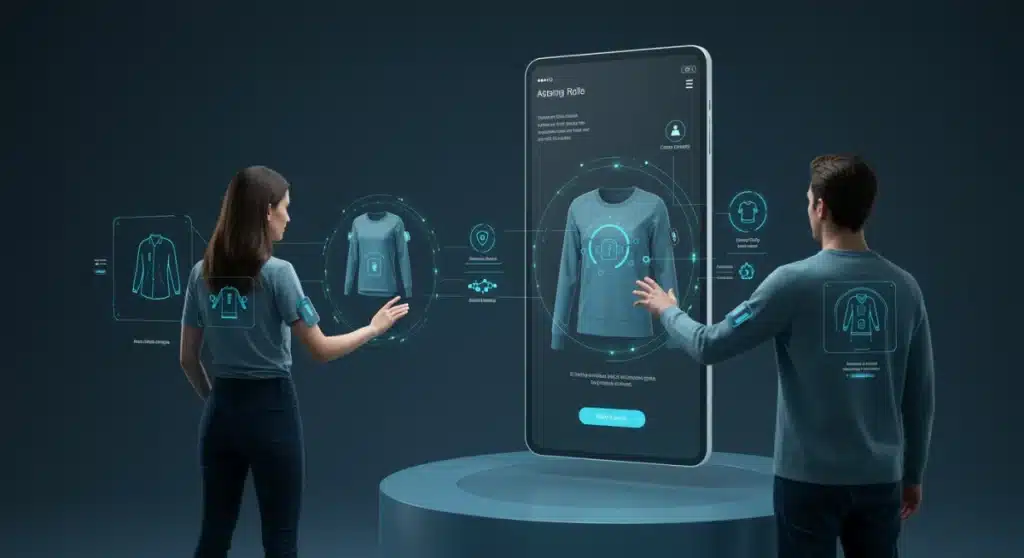
Retailers are now challenged to showcase these complex features effectively in an online environment, using innovative digital tools to convey the tangible benefits of smart fabrics. This includes detailed product descriptions, interactive demonstrations, and virtual try-on experiences that highlight the technological prowess of each garment.
From Passive to Proactive: Smart Fabric Functionalities
Smart fabrics are no longer just about novelty; they offer tangible benefits that address real consumer needs, from health monitoring to enhanced comfort. These innovations are driving significant interest in Smart Fabrics US Shopping, pushing boundaries in what apparel can achieve.
The functionalities span a wide range, including temperature regulation, moisture-wicking properties, integrated biometric sensors, and even self-cleaning capabilities. Such advancements promise to make clothing an active participant in daily life, rather than a passive accessory, increasing its utility and appeal.
Advertisements
- Health Monitoring: Apparel that tracks heart rate, sleep patterns, and activity levels.
- Performance Enhancement: Fabrics that adapt to body temperature or provide compression for athletes.
- Environmental Responsiveness: Clothing that changes color or texture based on external conditions.
- Integrated Connectivity: Garments with built-in charging ports or communication features.
Consumer Expectations and the Digital Shopping Experience
As smart fabrics become more prevalent, consumer expectations for online shopping are evolving rapidly, demanding more immersive and informative digital experiences. Shoppers are seeking detailed insights into the technological capabilities of garments before making a purchase.
The traditional product page with static images and basic descriptions is no longer sufficient for showcasing the complexities of smart apparel. Retailers must invest in advanced visualization tools, such as augmented reality (AR) and virtual reality (VR), to allow customers to virtually interact with these innovative textiles.
This shift necessitates a re-evaluation of the entire online shopping journey, from product discovery to post-purchase support. Brands that successfully integrate these technologies will gain a significant competitive edge in the burgeoning market for Smart Fabrics US Shopping.
Personalization at the Forefront of Apparel Tech
Personalization is becoming a cornerstone of the online shopping experience, particularly with the advent of smart fabrics. Consumers expect clothing that not only fits well but also caters to their individual preferences and performance needs, driven by the capabilities of advanced apparel technology.
The ability to customize features, colors, or even the embedded technology within a garment offers a new level of consumer engagement. This bespoke approach fosters a deeper connection between the wearer and their clothing, transforming a transactional purchase into a personalized investment.
- Customizable Features: Allowing users to select specific sensor types or connectivity options.
- AI-Driven Recommendations: Suggesting smart apparel based on individual lifestyle data and preferences.
- Modular Design: Offering components that can be interchanged or upgraded over time.

The confluence of data analytics and smart fabric technology enables retailers to offer highly tailored recommendations. This predictive capability ensures that shoppers are presented with products that genuinely align with their needs, enhancing satisfaction and reducing returns.
Supply Chain Innovations Driving Smart Fabric Adoption
The widespread adoption of smart fabrics in US online shopping hinges significantly on advancements and efficiencies within the supply chain. From material sourcing to manufacturing and distribution, every stage requires innovative solutions to handle these complex textiles.
Manufacturers are investing in specialized production lines capable of integrating electronic components seamlessly into fabrics, ensuring durability and washability. This requires close collaboration between textile engineers, electronics specialists, and fashion designers to create truly functional garments.
Logistics also face new challenges, as smart apparel may require specific handling or storage conditions to protect embedded technology. Efficient and transparent supply chains are crucial for delivering these high-tech products to consumers in optimal condition, supporting the growth of Smart Fabrics US Shopping.
Ethical and Sustainable Considerations in Smart Fabric Production
As the apparel technology sector expands, ethical and sustainable practices are gaining paramount importance, influencing consumer choices and brand reputation. The production of smart fabrics introduces new complexities related to material sourcing and waste management.
Brands are increasingly focused on utilizing recycled or biodegradable components for their smart textiles, minimizing environmental impact. Transparency in the supply chain, from raw material extraction to final assembly, is becoming a key differentiator for conscientious consumers.
- Recycled Materials: Using reclaimed plastics or natural fibers for conductive elements.
- Energy-Efficient Manufacturing: Implementing processes that reduce carbon footprint.
- End-of-Life Solutions: Developing recycling programs for electronic components in smart apparel.
The responsible disposal and recycling of smart garments, particularly those with integrated electronics, present a new frontier for sustainability efforts. Industry leaders are exploring circular economy models to ensure that these advanced products do not contribute to electronic waste.
Market Growth and Investment in Apparel Technology
The market for apparel technology, particularly smart fabrics, is experiencing robust growth, attracting significant investment and fostering rapid innovation. This expansion is a clear indicator of the transformative power of Smart Fabrics US Shopping in the coming years.
Venture capital firms and established technology companies are pouring resources into startups specializing in wearable tech and advanced textile development. This influx of capital accelerates research and development, bringing new generations of smart fabrics to market at an unprecedented pace.
Analysts project continued upward trajectory for this sector, driven by increasing consumer demand for functional and connected clothing. The competitive landscape is intensifying, with both traditional fashion brands and tech giants vying for market share.
Key Players and Emerging Innovators
The smart fabric ecosystem is characterized by a mix of established industry giants and agile startups, each contributing uniquely to the evolution of apparel technology. These diverse entities are pushing the boundaries of what is possible, shaping the future of Smart Fabrics US Shopping.
Major sportswear brands are integrating biometric sensors into their performance wear, while tech companies are exploring smart apparel for health monitoring and communication. Smaller, specialized firms are focusing on niche applications, such as adaptive clothing for individuals with specific needs.
- Nike and Adidas: Pioneering performance-enhancing smart textiles for athletes.
- Google and Levi’s: Collaborating on connected apparel with interactive features.
- Early-Stage Startups: Developing innovative materials for specific functionalities like self-repairing fabrics.
The collaborative nature of this industry, where fashion, technology, and materials science converge, is fostering an environment of rapid advancement. Partnerships between diverse entities are common, accelerating the pace of innovation and market penetration.
Challenges and Opportunities in US Online Shopping by 2026
While the potential of smart fabrics in US online shopping is immense, several challenges must be addressed to ensure widespread adoption and consumer trust. These hurdles range from technological integration to data privacy concerns and standardization.
Ensuring seamless connectivity and interoperability between different smart garments and devices is a complex task. Consumers expect a unified experience, requiring industry-wide standards and robust software development to support diverse ecosystems of wearable technology.
Data privacy is another critical concern, as smart apparel often collects sensitive personal information. Retailers and manufacturers must implement stringent security measures and transparent data policies to build and maintain consumer confidence in Smart Fabrics US Shopping.
Overcoming Technical Hurdles and Building Trust
The technical complexities associated with integrating electronics into textiles pose significant hurdles, requiring continuous innovation in material science and engineering. Reliability and durability are paramount for consumer acceptance of smart fabrics.
Ensuring that smart garments can withstand everyday wear and tear, including washing and drying, without compromising functionality, is a key development area. Rigorous testing and quality control are essential to deliver products that meet high consumer expectations.
Building consumer trust also involves educating the public about the benefits and proper use of smart apparel. Clear communication regarding features, limitations, and data handling practices will be vital for fostering widespread adoption and solidifying the presence of Smart Fabrics US Shopping.
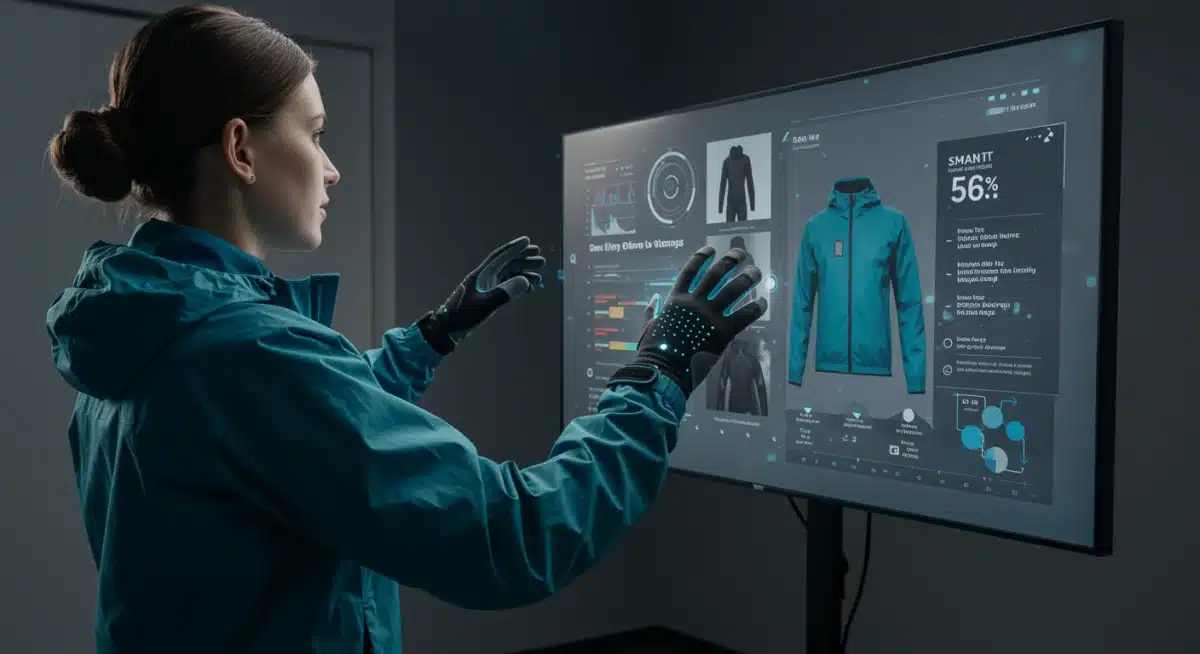
The development of user-friendly interfaces and intuitive control mechanisms for smart garments will also play a crucial role in their market success. Consumers need to easily access and manage the features of their connected clothing without requiring extensive technical knowledge.
Regulatory Landscape and Future Outlook for Smart Apparel
The evolving regulatory landscape will significantly shape the future of smart apparel, particularly concerning data protection, product safety, and ethical manufacturing. Governments and industry bodies are beginning to develop guidelines to address the unique challenges posed by these innovative textiles.
Standardization efforts are underway to ensure compatibility and safety across different smart fabric products, fostering a more cohesive market. These regulations aim to protect consumers while also promoting innovation within the growing sector of Smart Fabrics US Shopping.
The collaboration between policymakers, technology developers, and fashion industry leaders will be essential in creating a robust framework that supports growth while mitigating potential risks. This proactive approach ensures a responsible and sustainable future for smart apparel.
Impact on Traditional Fashion and Retail Models
The rise of smart fabrics is compelling traditional fashion brands and retailers to re-evaluate their business models, embracing technology to stay competitive. This shift is not just about adopting new products but also about transforming the entire retail experience.
Many legacy brands are either acquiring tech startups or establishing internal innovation labs to develop their own smart apparel lines. This strategic pivot ensures they remain relevant in a market increasingly driven by technological advancements and consumer demand for functional clothing.
The integration of smart fabrics also impacts inventory management, marketing strategies, and customer service, requiring a holistic approach to modernization. The future of Smart Fabrics US Shopping depends on the agility and adaptability of the entire industry.
| Key Aspect | Description |
|---|---|
| Interactive Apparel | Clothing embedded with sensors for health monitoring and performance. |
| Enhanced Online Experience | AR/VR tools and detailed product data for smart fabric purchases. |
| Supply Chain Innovation | Specialized production and ethical sourcing for complex textiles. |
| Regulatory Evolution | Developing standards for data privacy and product safety in smart apparel. |
Frequently Asked Questions About Smart Fabrics and Online Shopping
A smart fabric integrates electronic components, sensors, or conductive materials directly into the textile. This allows the fabric to perform functions beyond traditional clothing, such as monitoring biometric data, regulating temperature, or connecting to digital devices. These innovations are key to the evolution of Smart Fabrics US Shopping.
By 2026, online shopping for apparel will feature more interactive tools, including AR/VR try-ons and detailed data visualizations of garment functionality. Consumers will demand comprehensive information about embedded technology, performance, and sustainability, directly impacting how retailers present products like those in Smart Fabrics US Shopping.
Online purchasing offers convenience, wider selection, and access to detailed product specifications and reviews. For smart apparel, it provides a platform for brands to showcase advanced features through digital demonstrations, aiding informed decisions for consumers engaging in Smart Fabrics US Shopping from home.
Yes, smart fabrics often collect personal data, such as biometric information or activity levels. Consumers should be aware of data collection policies, security measures, and how their information is used. Transparency from brands and robust data protection regulations are crucial for trust in Smart Fabrics US Shopping.
Sustainability is a growing concern, focusing on ethical sourcing of materials, energy-efficient manufacturing, and end-of-life recycling for electronic components. Brands are increasingly adopting eco-friendly practices to appeal to conscious consumers and reduce the environmental footprint of Smart Fabrics US Shopping.
Looking Ahead
The integration of smart fabrics into apparel represents a pivotal moment for US online shopping, signaling a future where clothing is more interactive, personalized, and functional. This transformation demands continuous innovation from manufacturers and strategic adaptation from retailers to meet evolving consumer expectations. The ongoing developments in Smart Fabrics US Shopping will undoubtedly redefine value propositions and reshape the competitive landscape, making it essential for all stakeholders to remain informed and agile in this rapidly advancing sector.
